
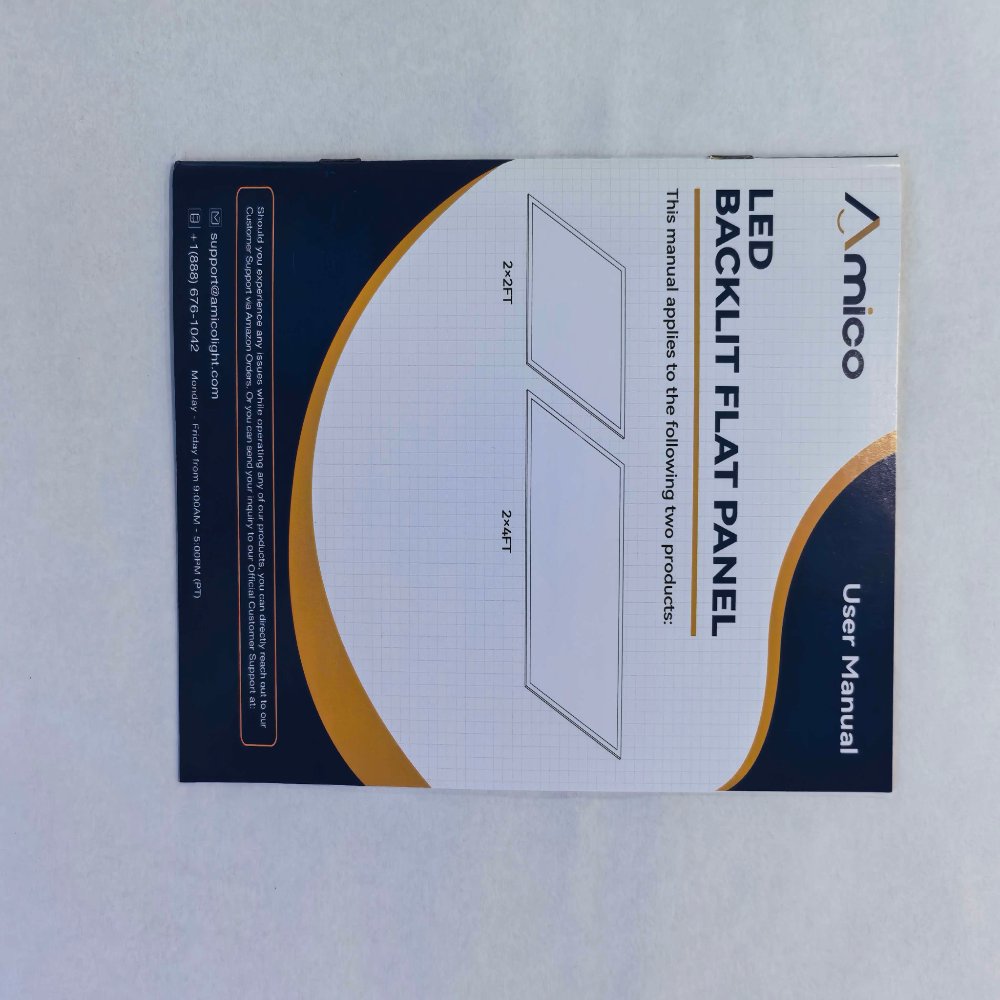
A product manual can look current while belonging to the wrong model or language edition. For wholesale product manual purchasing, the first useful control is an applicability matrix linking each requested printed edition to its exact product references, content revision and order quantity. This is a documentation and procurement exercise, not a substitute for technical review of the instructions. Hengcheng’s Product Manual page provides an actual print-product reference, while the catalogue sample’s technical content and pictured brand must remain separate from the buyer’s own approved publication.
Identify the print reference without borrowing its content
The Hengcheng Product Manual catalogue page states a finished size of 210 by 140 mm, a 200 gsm coated-paper cover with matte lamination, 120 gsm coated-paper interior and saddle stitching. Record these as the supplier’s listed reference details. Ask for confirmation of the specification applicable to the quotation; the page does not establish every possible paper choice, page count or order configuration.
The official photograph shows a branded user manual with more than one product illustration on its cover. It is useful as an example of a printed manual, but it does not establish a customer relationship, authorization or endorsement. Do not copy its model dimensions, instructions, contact details or other technical statements into your own content. The photograph cannot approve the applicability or accuracy of an unrelated buyer’s manual.
Create one row for each requested edition
A file name alone may not reveal the product family, market language or revision that a manual covers. Put those identifiers into an explicit order matrix. Where a single edition is intended to cover several models, list the exact model references and obtain confirmation from the party responsible for the technical content. Where editions differ, do not group them into one undifferentiated quantity merely because they share a similar cover.
Give each row a unique edition reference that the buyer and printer can use consistently. Preserve leading zeros, suffixes and punctuation in model identifiers when they distinguish products. If an identifier is unresolved, leave the row on hold rather than replacing it with a convenient shorthand. The matrix should make an uncertain match visible before a printed quantity is assigned.
Edition field
What must be identified
Reason to hold the row
Applicable models
Exact buyer-confirmed model list
Model or suffix not confirmed
Language or edition
Explicit content version requested
Mixed or unspecified language files
Content revision
Approved file reference and revision
Competing files both marked final
Print specification
Quoted format applicable to this edition
Specification copied from another row
Quantity
Number of printed manuals for this edition
Unclear manual-versus-product unit
Release owner
Person responsible for content approval
No applicable content release
Distinguish printer questions from content decisions
A printer can flag a missing file, an unreadable graphic or an inconsistent page reference without becoming the authority on how the underlying product should be used. Assign questions to the appropriate owner. A product model mismatch should go to the content owner, while a request about the quoted printed format can go to the print supplier. Keep both answers attached to the relevant matrix row.
The catalogue describes manuals as containing parameters, usage instructions and precautions. That description is not evidence that any particular submitted text has been verified for safety, compliance or technical accuracy. This article provides no operating procedure or safety advice for the pictured equipment. The responsible product and content teams need to approve the actual instructions and applicable statements before a print release.
• Ask the content owner to confirm the exact model and edition applicability.
• Ask the print supplier to confirm the quoted physical publication format.
• Record unanswered questions beside the affected edition rather than in a detached message.
• Do not treat a layout proof as a technical approval of the instructions.
Reconcile manual quantities with the actual order scope
An order for products and an order for manuals do not automatically use the same unit. State whether the quantity in the matrix means individual printed copies, copies assigned to a specified product line or another explicitly agreed unit. Do not infer one manual per product, a particular pack arrangement or a spare-copy allowance from the catalogue photograph. Ask for those commercial requirements directly.
When several editions share the order, retain a subtotal for each row and reconcile it with the total number of printed copies requested. A shared cover appearance is not sufficient reason to mix editions. If the product mix changes, review the affected manual rows before carrying their quantities forward. This keeps the procurement decision tied to the edition identity instead of an assumed relationship between similar-looking products.
Release and reorder against an identified matrix
Before releasing the print order, name the matrix revision and the approved content files associated with each active row. Mark superseded content clearly in the history while leaving its prior record intact. If a revised model list arrives after release, record the change and request an applicability decision; do not silently substitute a file under the earlier approval. Unresolved editions can remain on hold without obscuring the status of separately approved rows.
For a reorder, compare the earlier matrix with the new request and ask what has changed in model coverage, language, content or quantity. Use the supplier contact page to resolve print-format questions and retain the content owner’s separate approval. The current company blog listing did not expose an existing article during this preparation; it does not prove an empty native pool. A usable final record shows which edition belongs to which models, who released it and exactly what remains unresolved.
Frequently asked questions
Can one manual cover several models?
Only the responsible content owner can confirm that applicability for the buyer’s actual file. Record the exact model list rather than inferring coverage from a catalogue photograph.
Does print-proof approval establish technical accuracy?
No. A layout or print-format review has a different scope from checking the accuracy and applicability of product instructions. Record the responsible approvals separately.
Should manual quantities equal product quantities automatically?
No. State the actual commercial counting unit and edition allocation. The catalogue does not establish copies per product, spare quantities or pack contents.
What should happen when two files are labelled final?
Hold the affected edition row and ask the authorized content owner to identify the approved revision. Do not select one based on its file name or apparent recency alone.
Product and contact references
https://hengchengprint.com/product/product-manual/
https://hengchengprint.com/contact/
https://hengchengprint.com/blog/